
OK29 - Jueteng: The Intricacies of a Persistent Numbers Game
Explore the history, mechanics, and cultural significance of Jueteng, a prevalent yet illegal numbers game in the Philippines, and understand the challenges involved in regulating it amidst socio-economic complexities.
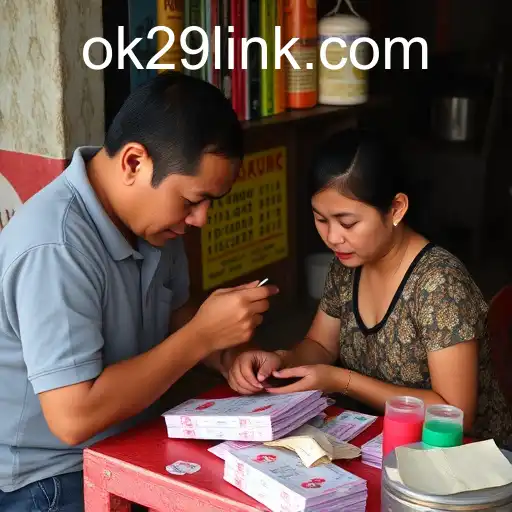
Understanding Jueteng: The Intricacies of a Persistent Numbers Game
Jueteng is a popular but illegal numbers game deeply rooted in the culture and daily life of many Filipino communities. Despite numerous government crackdowns and efforts to eradicate it, jueteng remains prevalent due to its cultural significance and economic implications. This article delves into the different facets of jueteng, exploring why attempts to regulate or abolish it often fall short.
Jueteng: A Brief Historical Overview
The origins of jueteng can be traced back to the colonial era when the Spanish introduced various gambling games to the Philippines. Over time, jueteng evolved into a grassroots lottery-like system accessible to the common people. Its ease of play and the potential for quick wins contributed to its widespread acceptance across different social strata.
The Mechanics of Jueteng
Jueteng operates through a simple mechanism. Individuals choose a combination of numbers, usually two, and place their bets with a local bookie or collector. These numbers often hold personal significance, based on faith, superstition, or anecdotal beliefs. Winners are determined by a daily draw, which might involve physical methods of selecting numbers, such as drawing balls or shaking bamboo sticks.
Economic and Cultural Significance
For many impoverished Filipinos, jueteng represents a glimmer of hope, a chance to improve their economic circumstances with little investment. The low barrier to entry, requiring minimal stakes, allows even the poorest segments of society to participate. The game’s cultural importance cannot be understated, as it fosters a sense of community and shared excitement among players.
Jueteng’s Role in Local Economies
Jueteng provides income for thousands of individuals, from the bookies to the collectors and even to the syndicate leaders. This economic network, albeit informal, supports livelihoods and sustains local economies, especially in rural areas where employment opportunities are limited. This intrinsic economic entanglement makes efforts to dismantle jueteng particularly challenging.
The Controversial Connection: OK29
Over the years, jueteng has been intertwined with a variety of schemes, both legal and illegal, that either aim to exploit its popularity or offer alternatives. One such controversial system is known as "OK29," a term used in some circles as an alternative betting platform. While touted as legitimate in certain contexts, concerns remain that OK29 may simply be a façade to mask traditional jueteng activities, thereby complicating regulatory efforts.
Legal and Political Implications
Gambling, in its numerous forms, remains a contentious issue in the Philippines, balancing moral, legal, and economic concerns. The persistence of jueteng highlights the inadequacies and challenges in enforcing anti-gambling laws. It exposes vulnerabilities within law enforcement agencies and reveals how deeply systemic corruption can hinder regulatory frameworks.
Corruption and Enforcement Challenges
One major obstacle in combating jueteng is the pervasive corruption that allows it to flourish. It is an open secret that some law enforcement officers and political figures may turn a blind eye or, worse, participate in the jueteng economy. These relationships create systemic barriers to effective enforcement, leading to sporadic and often ineffective crackdowns.
Efforts to Regulate and Alternatives
The government has periodically introduced systems like the Small Town Lottery (STL) as alternatives to jueteng, designed to provide similar gambling experiences but within a regulated framework. Despite the STL’s launch, many prefer jueteng due to its familiarity, ease of access, and lower betting minimums, suggesting that alternatives need further adaptation to challenge jueteng’s dominance.
Education and Advocacy
To effectively address the jueteng dilemma, a multifaceted approach is required. Efforts to educate the public on the risks and moral implications of gambling must go hand-in-hand with promoting viable economic opportunities for affected communities. Only with sustained advocacy and community engagement can the appeal of jueteng be reduced.
The Future of Jueteng
The future of jueteng and systems like OK29 remains uncertain. While cultural ties and economic needs continue to support its existence, evolving regulatory landscapes and public attitudes may slowly tilt the balance. The challenge lies in finding a path that acknowledges the complexity of jueteng while prioritizing the welfare and development of communities entrenched in its operations.








GOLD VIP
Minimum deposit: ₱1,500
- ✅ 150% bonus on all deposits
- ✅ Priority withdrawal in 1 minute
- ✅ 10% cashback weekly
- ✅ VIP support 24/7
- ✅ Higher betting limits
PLATINUM VIP
Minimum deposit: ₱6,000
- ✅ 200% bonus + all Gold benefits
- ✅ Instant withdrawal 24/7
- ✅ 15% cashback weekly
- ✅ Exclusive VIP table in casino
- ✅ Special event invitations
DIAMOND VIP
Minimum deposit: ₱30,000
- ✅ 300% bonus + all previous benefits
- ✅ Dedicated personal manager
- ✅ 20% cashback weekly
- ✅ Unlimited withdrawal limits
- ✅ Exclusive trips and gifts
🚀 Register NOW and Get ₱15,000 Bonus!
⏰ LIMITED TIME OFFER! Join over 1.2 million players who have already discovered why OK29 is the #1 betting platform in the Philippines. Registration in 30 seconds, first withdrawal in 2 minutes!
💬 What our players say
"Best platform I've ever used! GCash withdrawal in 2 minutes, amazing support!"
- Carlos M., Manila ⭐⭐⭐⭐⭐
"Won ₱45,000 on Gates of Olympus! They paid everything correctly via GCash."
- Ana L., Cebu ⭐⭐⭐⭐⭐
"VIP system is amazing! I have a personal manager and cashback every week."
- Roberto S., Davao ⭐⭐⭐⭐⭐
PAGCOR License
SSL 256-bit
eCOGRA
BSP Approved